
Table of Contents
- Why Smaller Log Cabins Are Becoming More Popular
- The Biggest Mistake People Make With Smaller Cabins
- Natural Light Changes Everything
- Small Cabins Work Better When They Have One Clear Purpose
- Furniture Placement Matters More Than People Think
- Why Rooflines Make a Bigger Difference Than Expected
- Warmth Matters More Than Size
- Compact Gardens Often Benefit Most
- What People Usually Notice Afterwards
- Smaller Doesn’t Mean “Basic” Anymore
If you’ve been looking at log cabins recently, you’ve probably noticed something.
A lot of the cabins people actually end up buying aren’t huge — yet they often include clever design plans.
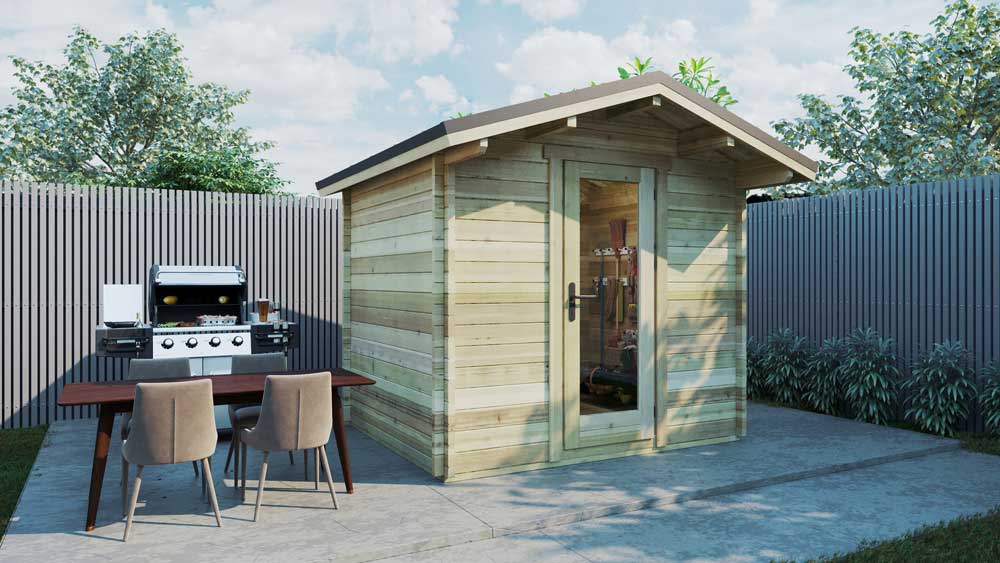
Not everyone wants a massive garden room taking over the back garden. In fact, for many homeowners in Ireland, the opposite is true.
They want something compact. Practical. Easy to live with.
A cabin that adds usable space without making the garden feel smaller — and that’s exactly where smaller log cabins have started making much more sense.
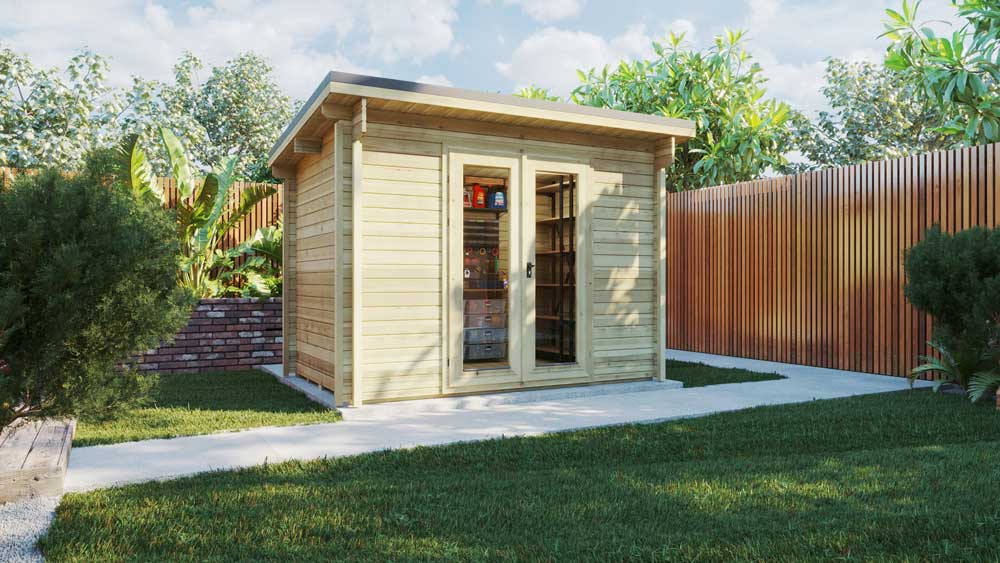
Over the last few years, compact cabins have become far more thought-through than they used to be. Better layouts. Better glazing. Better use of light. Better internal design.
The result is that smaller cabins now feel far more usable than older designs ever did. A well-planned smaller cabin can often feel better to use day-to-day than a larger one with a poor layout. That surprises people until they actually spend time in one.
Why Smaller Log Cabins Are Becoming More Popular
Part of it comes down to how people are using cabins now.
Years ago, many garden buildings were really just storage spaces or occasional-use summer rooms. That has changed quite a bit. Now, cabins are being used as:
- Home offices
- Hobby rooms
- Gyms
- Guest spaces
- Reading rooms
- Gaming rooms
- Music spaces
- Everyday overflow space from the house
That means people are looking for comfort and practicality more than sheer size. A smaller cabin that works properly tends to get used more often than a larger one that feels cold, dark or awkward.
Modern layouts have helped a lot with this too. Cleaner designs, larger glazing areas and better interior planning have made compact cabins feel much more open than older-style models.
Related: Modern Garden Room Trends in Ireland (2026)
The Biggest Mistake People Make With Smaller Cabins
Most people focus almost entirely on external size — assuming bigger automatically means better.
But internal usability matters far more.
A compact cabin with good window placement, proper ceiling height, natural light, sensible furniture positioning and clear walking space can feel surprisingly spacious once finished properly. Meanwhile, a larger cabin with poor layout planning can end up feeling cluttered quite quickly.
That’s why layout matters so much more in smaller spaces. Every bit of floor area has to work harder.
Natural Light Changes Everything
This is probably the biggest difference between older cabin layouts and newer ones.
Older cabins often had smaller windows and darker interiors — they felt enclosed fairly quickly. Modern cabins tend to do the opposite. Larger glazing panels, double doors and full-height windows completely change how the space feels internally.
Even relatively compact cabins can feel open and airy when natural light is allowed to move properly through the room. That’s one reason modern anthracite grey window systems have become so popular in contemporary garden rooms — they give a cleaner look externally while also helping maximise glazing internally.
You especially notice this during the winter months when daylight is limited. A brighter cabin naturally feels more usable.
Small Cabins Work Better When They Have One Clear Purpose
One thing people often realise afterwards is that smaller cabins tend to work best when they are designed around one primary use. Trying to make a compact cabin do ten different things usually doesn’t work particularly well. But when the layout is focused, the space tends to feel far more practical.
Home Office Layouts
This is one of the most common uses now. A smaller office cabin doesn’t need huge amounts of floor space. What matters more is desk positioning, natural light, storage, heating and avoiding glare on screens. A clean rectangular layout often works best here.
Gym Rooms
People usually overestimate how much space they need for a home gym. A compact cabin can comfortably handle cardio equipment, free weights, resistance training, yoga or mobility work — especially when the layout stays uncluttered. Mirrors and lighting make a huge difference in smaller gym spaces too.
Relaxation Rooms
These have become far more common recently — reading rooms, quiet spaces, TV rooms and garden lounges. Smaller cabins actually suit this type of use very well because they naturally feel cosy once furnished properly. Soft lighting, timber finishes and larger windows work particularly well together in these layouts.
Furniture Placement Matters More Than People Think
This is where smaller layouts either work beautifully or feel awkward. A few small changes can completely alter how spacious the cabin feels. For example:
- Wall-mounted desks instead of bulky furniture
- Built-in seating to make the most of available space
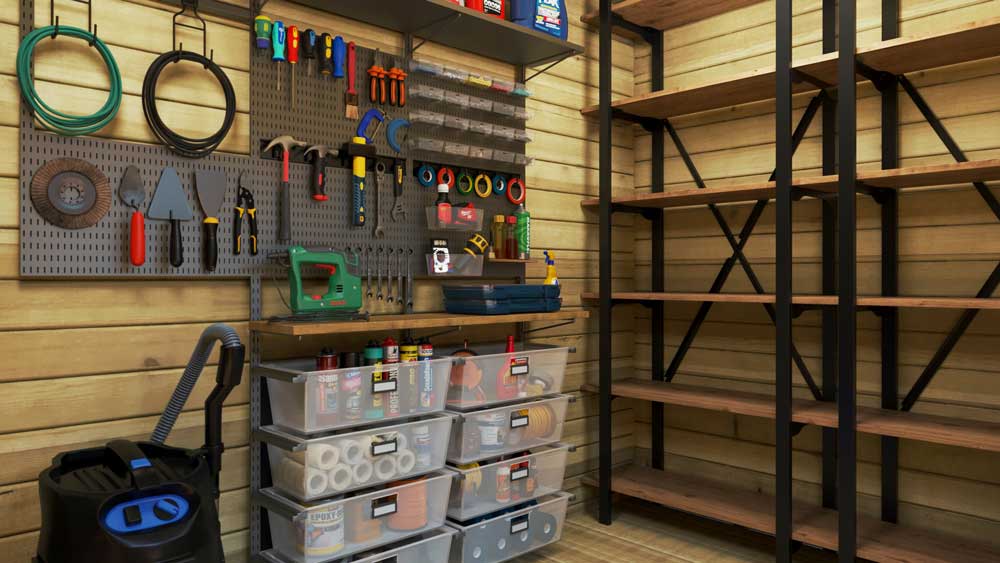
- Vertical storage
- Avoiding oversized sofas
- Keeping walkways open
- Using lighter colours internally
None of these things is complicated individually. But together, they make compact spaces feel much easier to use. A lot of Scandinavian-inspired interiors work well for exactly this reason — they focus on simplicity rather than filling every corner.
Why Rooflines Make a Bigger Difference Than Expected
This is something people don’t always notice immediately when browsing log cabin options online.
Roof design changes how the whole cabin feels internally. Lower rooflines can sometimes make compact cabins feel smaller than they actually are. Meanwhile, cabins with slightly higher ceilings or more open roof structures tend to feel much larger internally, even when the footprint is similar.
That sense of vertical space matters more than people realise. It affects light movement, openness, airiness and overall comfort. Modern garden room designs have moved increasingly toward cleaner rooflines, partly because of this — the internal feel improves dramatically.
Warmth Matters More Than Size
This is another area where compact cabins can work extremely well.
Smaller cabins are naturally easier to heat. That means they often become genuinely usable year-round spaces much more easily. Once proper insulation, glazing and sealing are in place, a smaller log cabin can warm up very quickly during colder months.
That’s also why cabin specification matters more than simply adding extra size. Things like glazing quality, floor insulation, roof insulation, sealing systems and wall build-up all affect day-to-day comfort far more than people initially expect.
Related: Log Cabin Wall Thickness Explained (2026)
Compact Gardens Often Benefit Most
Ironically, smaller gardens can sometimes benefit more from a cabin than larger ones.
A well-positioned cabin can help structure the entire outdoor space. It creates a visual focal point, separate zones, a more usable outdoor flow and better balance between the garden and living space.
Modern cabins, in particular, tend to integrate more naturally into smaller gardens because their cleaner designs feel less visually heavy. That’s one reason contemporary styles have become increasingly popular for urban and suburban homes across Ireland.
What People Usually Notice Afterwards
Once the cabin is actually installed, people rarely talk about square metres.
Instead, they notice smaller things. How comfortable it feels. How often they use it. Whether it feels bright in winter. Whether it heats up quickly. Whether the space feels calm and practical.
That’s usually the real test of a successful layout — and interestingly, many smaller cabins pass that test extremely well. Because when the design is right, compact spaces often feel easier to live with day to day.
Smaller Doesn’t Mean “Basic” Anymore
There’s still a perception sometimes that compact cabins are the entry-level option. That’s becoming less true every year.
A lot of modern smaller cabins now include premium glazing, insulated systems, contemporary finishes, higher-end doors and windows and cleaner architectural styling. The overall standard has improved massively compared to older garden buildings.
That’s why many compact cabins now feel far more like genuine extensions of the home rather than separate outdoor structures. And for many homeowners in Ireland, that’s exactly what they want.
Small Cabin Plans & Log Home Designs
Bigger isn’t always better with garden cabins.
A smaller cabin with a smart layout, good natural light and proper specification can often feel more comfortable and more usable than a larger, poorly planned space. That’s especially true in Irish gardens where outdoor space is often more limited than people first think.
Modern compact cabins are no longer just “small sheds” at the bottom of the garden. When designed properly, they become genuine everyday living spaces — and in a lot of cases, it’s the smaller, simpler layouts that end up being used the most.
- Residential Log Cabins for Sale – What I Wish I Knew Before Buying a Log Cabin
- Cabin Homes Ireland 101: What to Know Before Buying or Building
- Garden Room Prices in Ireland (2026): What Garden Rooms Really Cost
- How to Choose the Ideal Garden Room – A Beginner’s Guide
Related search terms: small log cabins Ireland, compact garden cabins, small garden room ideas, modern garden cabins Ireland, compact log cabin layouts, small residential log cabins, contemporary garden rooms Ireland, insulated garden cabins, garden room interiors, compact home office cabin, small cabin gym room, Scandinavian garden room design, timber garden room Ireland, multi-use garden cabin, small outdoor room ideas, compact cabin design, modern timber cabins Ireland, garden room natural light, compact cabin interiors, garden room glazing ideas, small log cabin plans, log home design, affordable log cabins, compact living area
Leave A Comment